
If you have ever knit a pair of socks, a sleeve, or the crown of a hat, you know the struggle of the “small circumference” transition. Switching from a long circular needle to Double Pointed Needles (DPNs) often feels like wrestling an octopus—too many points, too much poking, and the constant risk of “laddering” where your needles meet.
In 2026, the knitting world has moved toward more efficient, ergonomic solutions. Enter the addi Flexiflips. These innovative needles are a hybrid between a DPN and a circular needle, designed specifically to make small-diameter knitting faster, smoother, and much more portable.
Here is how you can use Flexiflips to cut down your knitting time and keep your stitches perfect.
What Exactly Are addi Flexiflips?
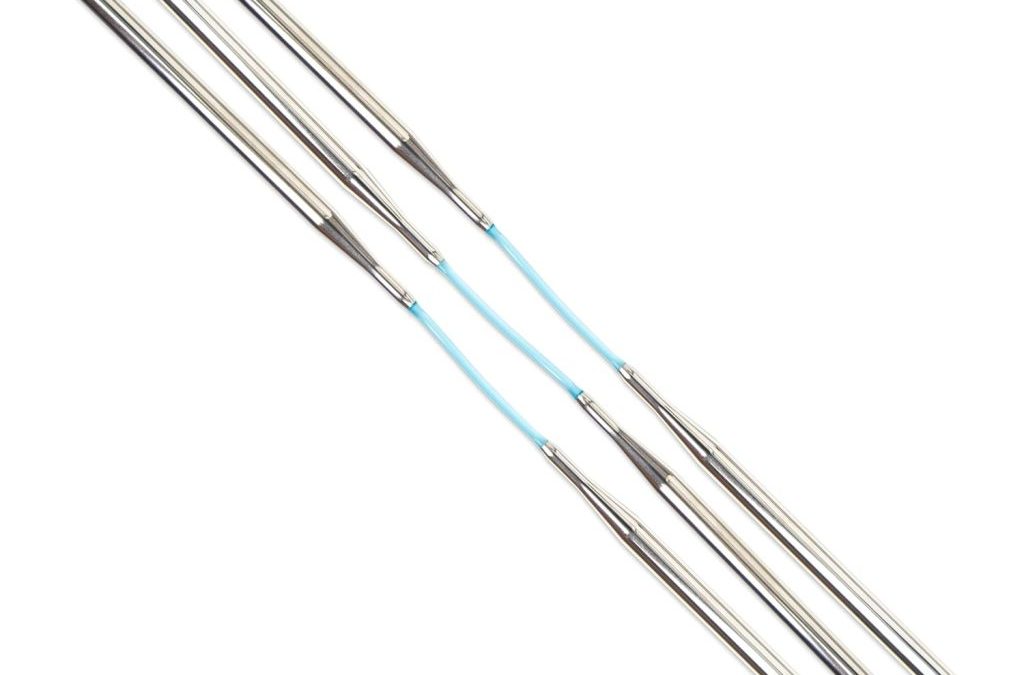
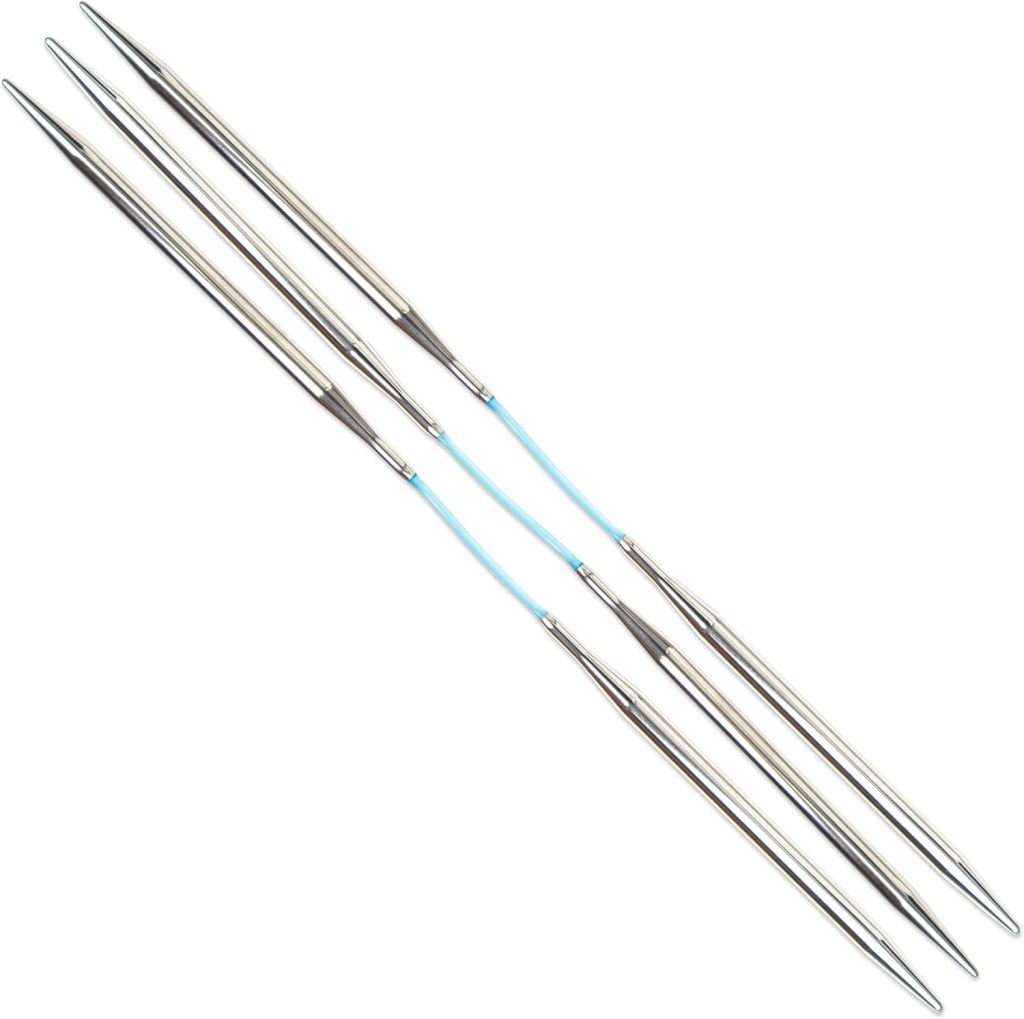
Unlike traditional DPNs, which come in sets of five stiff needles, a set of Flexiflips consists of three needles. Each needle has a short, flexible cable in the center connecting two metal tips.
The genius is in the tips: one end is a standard “Turbo” tip (rounded for basic knitting), and the other is a “Rocket” or “Lace” tip (pointier for intricate stitches). This allows you to choose the sharpest point for your specific yarn and pattern.
Step-by-Step: Speeding Up Your Workflow
- The Three-Needle Advantage
The primary reason Flexiflips are faster is that they reduce the number of needle transitions. With DPNs, you are constantly stopping to rotate across four needles. With Flexiflips, your stitches are divided onto only two needles, while the third acts as your working needle.
Action: Cast your stitches onto two Flexiflips.
The Speed Hack: Fewer transitions mean fewer opportunities for your tension to “dip,” which naturally creates a faster, more consistent knitting rhythm.
- Eliminating the “Ladder”
Ladders—those loose columns of yarn at the join of two needles—are the bane of many knitters. Because Flexiflips have a flexible center, the needles can bend and fold out of the way. This allows the stitches to sit closer together at the joins.
The Speed Hack: You no longer have to spend time manually tightening the first two stitches of every needle. The flexibility of the cable does the tension management for you.
- Superior Portability
If you knit on the go, Flexiflips are a dream. DPNs are notorious for sliding out of stitches in a project bag. Because Flexiflips can “fold” in half, they stay securely nestled within your knitting.
Pro-Tips for Maximum Efficiency
Identify Your Tips: Always check which end you are using. If you are working with a splitty yarn or complex decreases, use the pointier “Rocket” end to pick up stitches faster. For bulky wool, the “Turbo” end will prevent you from piercing the fiber.
Relax Your Grip: Because you aren’t fighting to keep five needles balanced in the air, you can relax your hands. A relaxed hand is a fast hand.
Use High-Quality Markers: Since you only have two needles holding your work, marking the beginning of your round is essential.
Why Flexiflips are the Future of “Slow Craft”
While we call it “slow craft,” that doesn’t mean we want the process to be tedious. We believe that the right tools allow the “busy work” of knitting to fade into the background, letting the creative joy take center stage.
By switching to a flexible needle system, you reduce physical strain on your wrists and hands. This means you can knit for longer periods without fatigue—effectively speeding up your project completion time by increasing your “stamina” at the craft.
If you’ve been hesitant to try socks or sleeves because of the intimidation factor of DPNs, 2026 is the year to try Flexiflips. They bridge the gap between ease of use and professional results. Once you find your rhythm with these “bendy” needles, you’ll likely never look back at a set of five stiff sticks again.
Ready to start your next project? Head over to our shop to grab your sustainable notions and get inspired!