There’s a moment every knitter knows too well. You’re deep into a lace pattern, squinting at your stitches under a dim overhead bulb, and you think — is that a yarn over or did I just skip a stitch? I’ve been there more times than I’d like to admit. For years, I kept telling myself that “good enough” lighting was fine. Then I tried the Brightech LightView Pro, and I’ve never gone back.
If you’ve been on the fence about investing in a dedicated craft lamp, this post is for you.
What Is the Brightech LightView Pro?
The Brightech LightView Pro is a magnifying LED floor lamp designed specifically for detailed work — and yes, that includes knitting, crocheting, cross stitch, and all the fiber arts we love. It combines a bright, energy-efficient LED light with a built-in magnifying lens, so you get both clarity and illumination at the same time.
What first caught my attention was that this lamp was built by a small business brand that genuinely seemed to understand the needs of crafters and professionals. It’s not a generic floor lamp with a magnifier tacked on — it was clearly designed with precision work in mind.
The Features That Matter for Knitters
Let me break down what makes this lamp a genuine game-changer for fiber artists.
Hands-free magnification. The flexible gooseneck arm positions the lens right where you need it, and since it’s completely hands-free, both your hands stay free to hold your needles and yarn. For intricate stitch work like lace, cables, or colorwork, this is enormous. No more leaning in awkwardly or holding a separate magnifying glass.
Bright, true-color LED light. The built-in LED produces up to 800 lumens at 6,000K — that’s a cool daylight white that shows yarn colors accurately. If you’ve ever finished a project under warm yellow light only to see it in natural daylight and realize the colors look different, you’ll appreciate this. The LightView Pro also has dimmable settings, ranging from 3,000K warm white all the way to 6,000K cool daylight, so you can adjust based on the time of day or your preference.
Long-lasting LED. The built-in 9-watt LED is rated for around 20,000 hours — roughly 20 years if you use it for three hours a day. No bulb replacements, ever.
Diopter glass lens. Unlike plastic lenses that scratch and warp over time, the LightView Pro uses real diopter glass. The 2.25x magnification is perfect for seeing individual stitch details without distortion.
Sturdy, mobile base. Depending on the model, you get either a rolling 6-wheel base or a weighted stable base. Either way, you can move the lamp from your couch to your craft table with ease.
Why It’s Perfect for Knitting Specifically
I started really relying on the Brightech LightView Pro during a particularly ambitious lace shawl project. Lace knitting lives and dies by your ability to see each stitch clearly — a missed yarn over means frogging rows, and trust me, you don’t want to do that in fine-weight yarn.
With the LightView Pro positioned over my work, I could see every loop, every crossing thread, every stitch marker. The magnification made the stitches look larger without making my entire workspace feel zoomed in. It was the right amount of help without being overwhelming.
It’s also been wonderful for working with dark yarns. If you knit with black, navy, or deep charcoal, you know how hard it is to see your stitches. The bright daylight-spectrum LED cuts right through that problem.
Who Else Uses It?
The Brightech LightView Pro has a surprisingly wide fan base. It’s used by estheticians for lash extensions and facials, by tattoo artists, jewelers, and electronics repair professionals. Among hobbyists, it’s beloved by puzzlers, cross-stitchers, quilters, sewers, and of course — knitters and crocheters like us.
The fact that professionals in precision-based fields reach for this lamp says something about its quality.
A Tool Worth Every Peso
I know a good lamp feels like an indulgence. But eye strain is real, and crafting sessions cut short because of headaches and tired eyes are a loss — both of your time and your joy. The Brightech LightView Pro is backed by a 3-year limited warranty (some models up to 5 years), which gives you confidence that this is a product built to last.
If you’re serious about your knitting — and I think you are, because you’re here — this is one of those tools that genuinely improves the experience. Not just the quality of your finished objects, but the actual pleasure of sitting down and knitting.
You can find the Brightech LightView Pro in our Tools & Kits shop, under the Brightech brand section. Take a look and see which configuration fits your crafting space best.
Happy knitting — and may your stitches always be clearly visible. 🧶
If you have ever knit a pair of socks, a sleeve, or the crown of a hat, you know the struggle of the “small circumference” transition. Switching from a long circular needle to Double Pointed Needles (DPNs) often feels like wrestling an octopus—too many points, too much poking, and the constant risk of “laddering” where your needles meet.
In 2026, the knitting world has moved toward more efficient, ergonomic solutions. Enter the addi Flexiflips. These innovative needles are a hybrid between a DPN and a circular needle, designed specifically to make small-diameter knitting faster, smoother, and much more portable.
Here is how you can use Flexiflips to cut down your knitting time and keep your stitches perfect.
What Exactly Are addi Flexiflips?
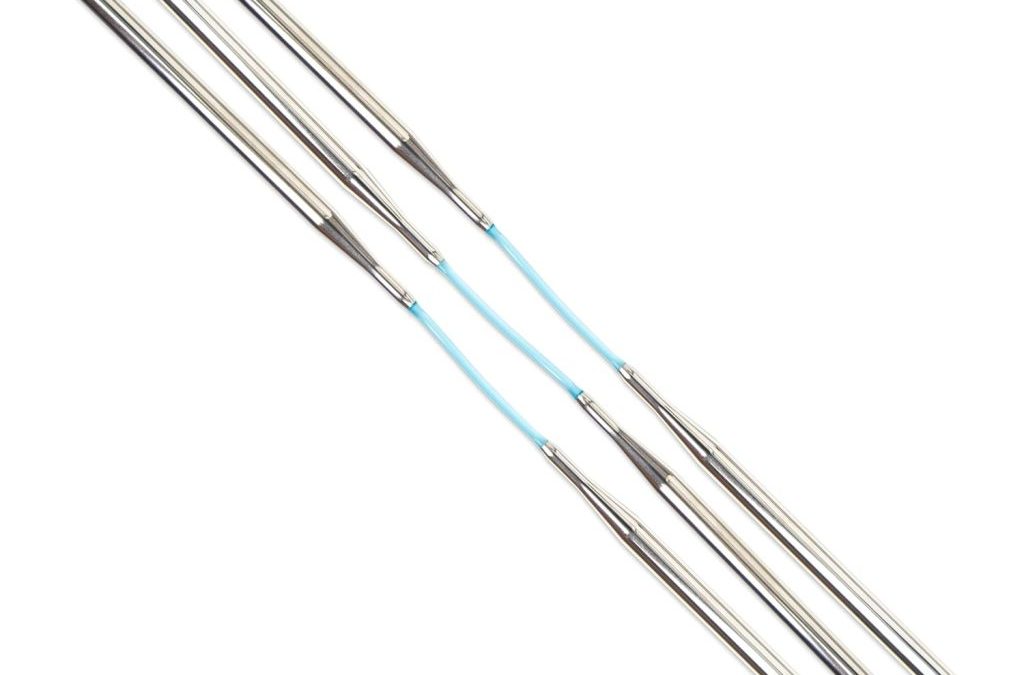
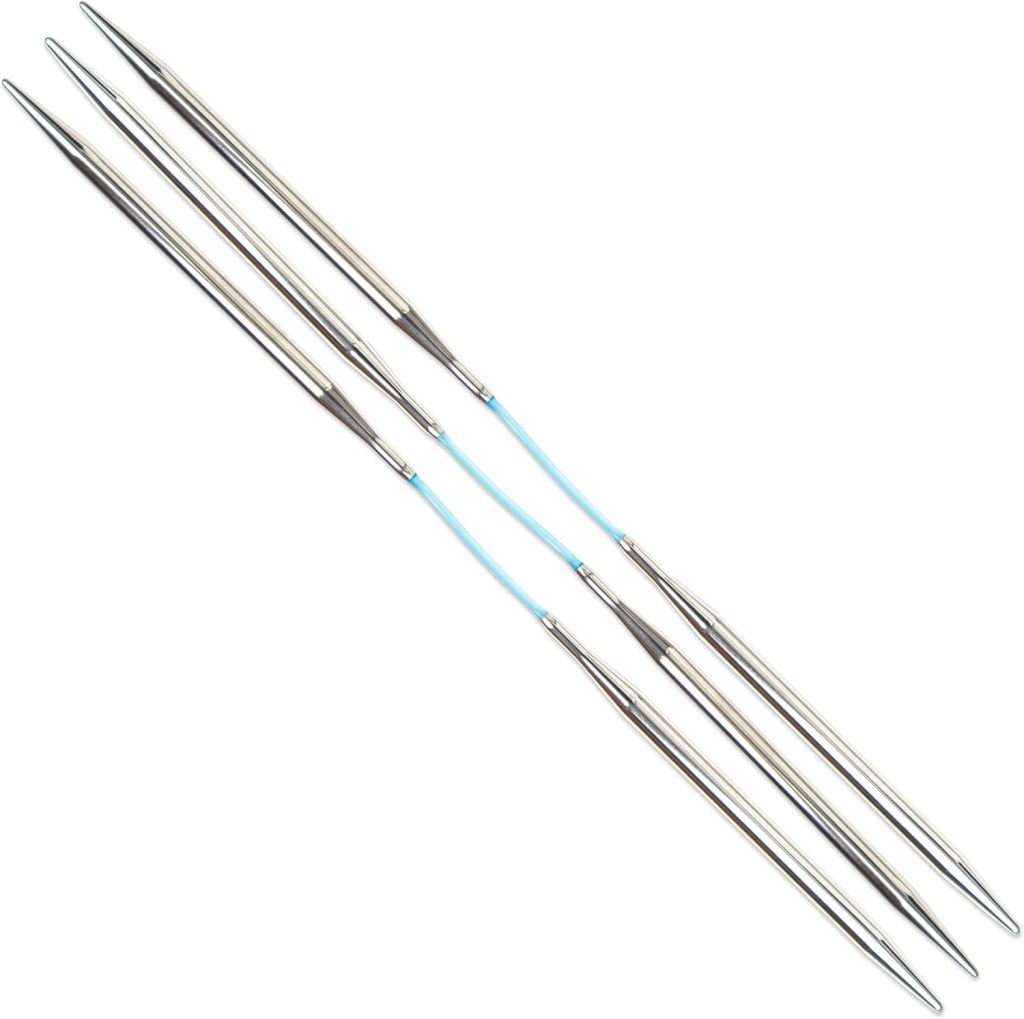
Unlike traditional DPNs, which come in sets of five stiff needles, a set of Flexiflips consists of three needles. Each needle has a short, flexible cable in the center connecting two metal tips.
The genius is in the tips: one end is a standard “Turbo” tip (rounded for basic knitting), and the other is a “Rocket” or “Lace” tip (pointier for intricate stitches). This allows you to choose the sharpest point for your specific yarn and pattern.
Step-by-Step: Speeding Up Your Workflow
The Three-Needle Advantage
The primary reason Flexiflips are faster is that they reduce the number of needle transitions. With DPNs, you are constantly stopping to rotate across four needles. With Flexiflips, your stitches are divided onto only two needles, while the third acts as your working needle.
Action: Cast your stitches onto two Flexiflips.
The Speed Hack: Fewer transitions mean fewer opportunities for your tension to “dip,” which naturally creates a faster, more consistent knitting rhythm.
Eliminating the “Ladder”
Ladders—those loose columns of yarn at the join of two needles—are the bane of many knitters. Because Flexiflips have a flexible center, the needles can bend and fold out of the way. This allows the stitches to sit closer together at the joins.
The Speed Hack: You no longer have to spend time manually tightening the first two stitches of every needle. The flexibility of the cable does the tension management for you.
Superior Portability
If you knit on the go, Flexiflips are a dream. DPNs are notorious for sliding out of stitches in a project bag. Because Flexiflips can “fold” in half, they stay securely nestled within your knitting.
Pro-Tips for Maximum Efficiency
Identify Your Tips: Always check which end you are using. If you are working with a splitty yarn or complex decreases, use the pointier “Rocket” end to pick up stitches faster. For bulky wool, the “Turbo” end will prevent you from piercing the fiber.
Relax Your Grip: Because you aren’t fighting to keep five needles balanced in the air, you can relax your hands. A relaxed hand is a fast hand.
Use High-Quality Markers: Since you only have two needles holding your work, marking the beginning of your round is essential.
Why Flexiflips are the Future of “Slow Craft”
While we call it “slow craft,” that doesn’t mean we want the process to be tedious. We believe that the right tools allow the “busy work” of knitting to fade into the background, letting the creative joy take center stage.
By switching to a flexible needle system, you reduce physical strain on your wrists and hands. This means you can knit for longer periods without fatigue—effectively speeding up your project completion time by increasing your “stamina” at the craft.
If you’ve been hesitant to try socks or sleeves because of the intimidation factor of DPNs, 2026 is the year to try Flexiflips. They bridge the gap between ease of use and professional results. Once you find your rhythm with these “bendy” needles, you’ll likely never look back at a set of five stiff sticks again.
Ready to start your next project? Head over to our shop to grab your sustainable notions and get inspired!
Knitting is a craft filled with patience, creativity, and sometimes a little bit of chaos. If you are a knitter, you probably know the familiar scene: a cozy crafting session, yarn flowing smoothly through your fingers, and suddenly—your stitch marker disappears. It falls somewhere on the floor, under the table, or mysteriously vanishes into the depths of your craft room.
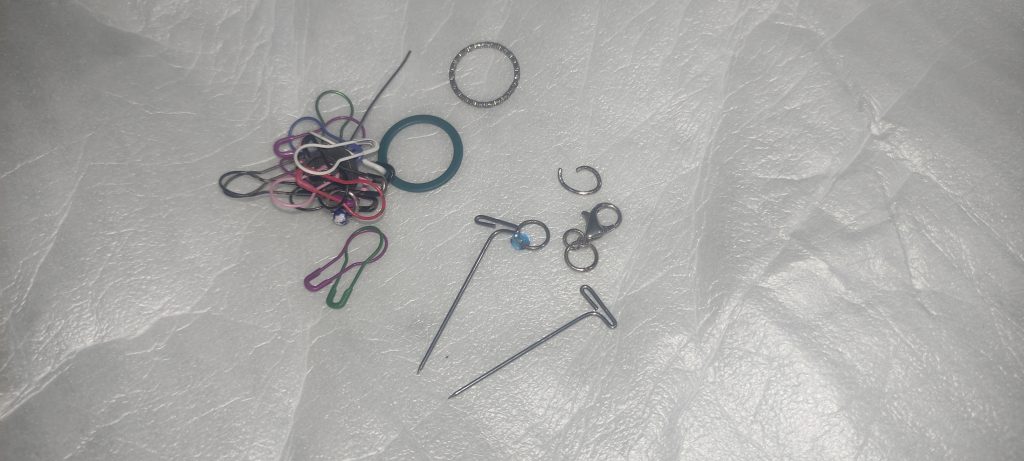
Small tools like stitch markers, blocking pins, and needles are essential for knitting projects. However, because they are tiny and lightweight, they often get lost in the most unexpected places. While most knitters rely on magnets, small containers, or trays to organize their tools, I recently discovered a surprising helper that made maintaining my crafting space easier.
At first glance, a steam cleaner might seem unrelated to knitting. After all, it is designed for household cleaning. But when I started thinking about the reality of a crafters workspace—loose fibers, dust, dropped stitch markers, and stray blocking pins—it began to make sense.
Why Craft Spaces Need Regular Cleaning
Knitting projects often leave behind tiny yarn fibers and lint. Over time, these fibers collect on floors, tables, and corners of the room. If you work with wool, cotton, or acrylic yarn regularly, you might notice small piles of fiber dust around your crafting area.
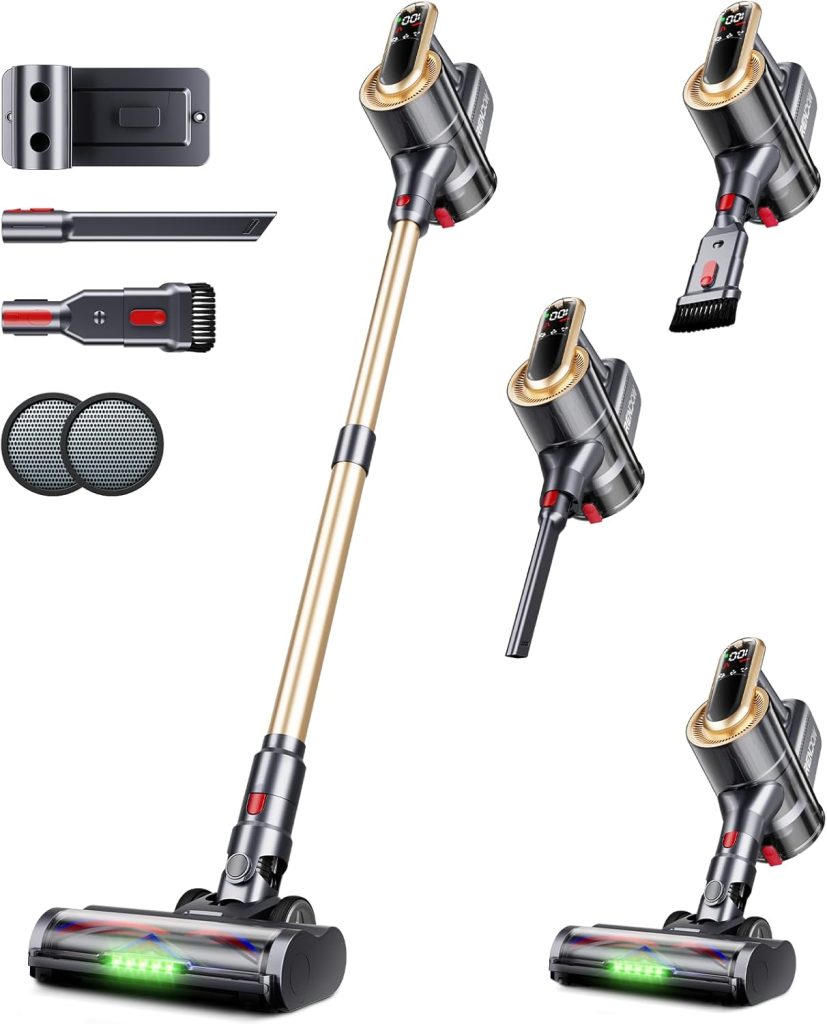
This is where the cleaner becomes useful. With its detachable handheld attachment, the RENDOW Cordless Vacuum Cleaner can help clean tight corners around your crafting table, shelves, and even the floor where small knitting tools sometimes hide.
Protecting Your Knitting Tools
Of course, cleaning is only part of the story. Organization is equally important when it comes to protecting your knitting tools.
A good set of stitch markers helps track pattern repeats, increases, and decreases. Whether you use simple ring markers or decorative stitch makers, these tiny helpers keep your knitting projects on track.
Another essential tool is blocking pins. Blocking pins are used to shape and set finished knitted pieces, especially lace projects or garments. Proper blocking allows stitches to open up beautifully, giving your work a polished and professional look.
Finally, knitting needles remain the heart of every knitting project. Choosing the right needles can make a huge difference in your knitting experience. Smooth needles allow yarn to glide easily, helping you maintain a consistent rhythm while knitting.
A Small Discovery for Knitters
While a vacuum might not replace your stitch markers, blocking pins, or needles, it can become an unexpected companion in maintaining a tidy craft space.
Knitting is meant to be relaxing and enjoyable. A clean and organized workspace helps you focus on the rhythm of your stitches rather than worrying about lost tools or dusty corners.
Sometimes the most helpful tools for knitters are the ones we least expect. Whether you are organizing your stitch markers, preparing your project for blocking with blocking pins, or knitting your next masterpiece with your favorite needles, keeping your crafting space clean can make the entire experience even more enjoyable.
And who knows? The next time a stitch marker falls to the floor, you might already have the perfect cleaning tool ready nearby.
Here in the Philippines, the month of March signals the start of the summer season. The days become brighter, temperatures rise, and the sun becomes the star of every afternoon. For knitters and fiber artists, seasonal changes often bring new inspiration for creative projects.
This year, I decided to celebrate the arrival of summer in a very literal way.
The idea came naturally—if summer is here, why not create something that represents the warmth and brightness of the season? Small knitted motifs are a wonderful way to experiment with techniques, practice shaping, and explore pattern modifications.
To begin the project, I searched online for a free knitting pattern for a sun design. After exploring several options, I found a pattern that I liked. The original design featured textured bobble stitches forming the sun rays, and the motif itself was relatively large.
While the original version was beautiful, I wanted to make a few adjustments.
First, I reduced the size of the motif so that it would become a smaller and more versatile piece. Smaller motifs are perfect for experimenting because they use less yarn and can easily become decorative elements for other projects.
Second, I modified the sun rays.
Instead of using bobble stitches, I replaced them with simple triangular rays inspired by geometric shapes. This gave the motif a sharper and more defined star-like appearance. The modification also simplified the knitting process, making the design easier to replicate for beginners or knitters who prefer minimal texture.
For the knitting tools, I used addi FlexiFlips in 2.75 mm. These needles are especially useful for small circular or compact knitting projects. Because they combine flexibility and stability, they can make knitting smaller motifs much more comfortable compared to traditional double-pointed needles.
The flexibility of the needles also helps distribute stitches evenly, which is particularly helpful when shaping points such as the rays of the sun.
Once the knitting was finished, I blocked the motif carefully, pinning each point to emphasize the triangular rays and open up the stitches. Blocking is an essential finishing step that allows knitted pieces to reach their intended shape and structure.
Even a small motif like this sun can look dramatically different before and after blocking.
Projects like this remind me that knitting does not always have to be large or complicated to be meaningful. Sometimes, a small seasonal project can capture a moment, a memory, or even a feeling.
This knitted sun now feels like a small celebration of summer, creativity, and the joy of handmade craft.
And who knows? This little sun might eventually become part of a bigger project in the future.
You’ve probably said this before: “I really want to learn crochet or knit… I just don’t know where to start.”
The yarn aisle feels overwhelming. Hooks have numbers. Patterns look like another language. And suddenly, that cozy hobby you dreamed about feels like homework.
Good news: you don’t need to figure it all out. You just need one beginner-friendly kit—and you can start today.
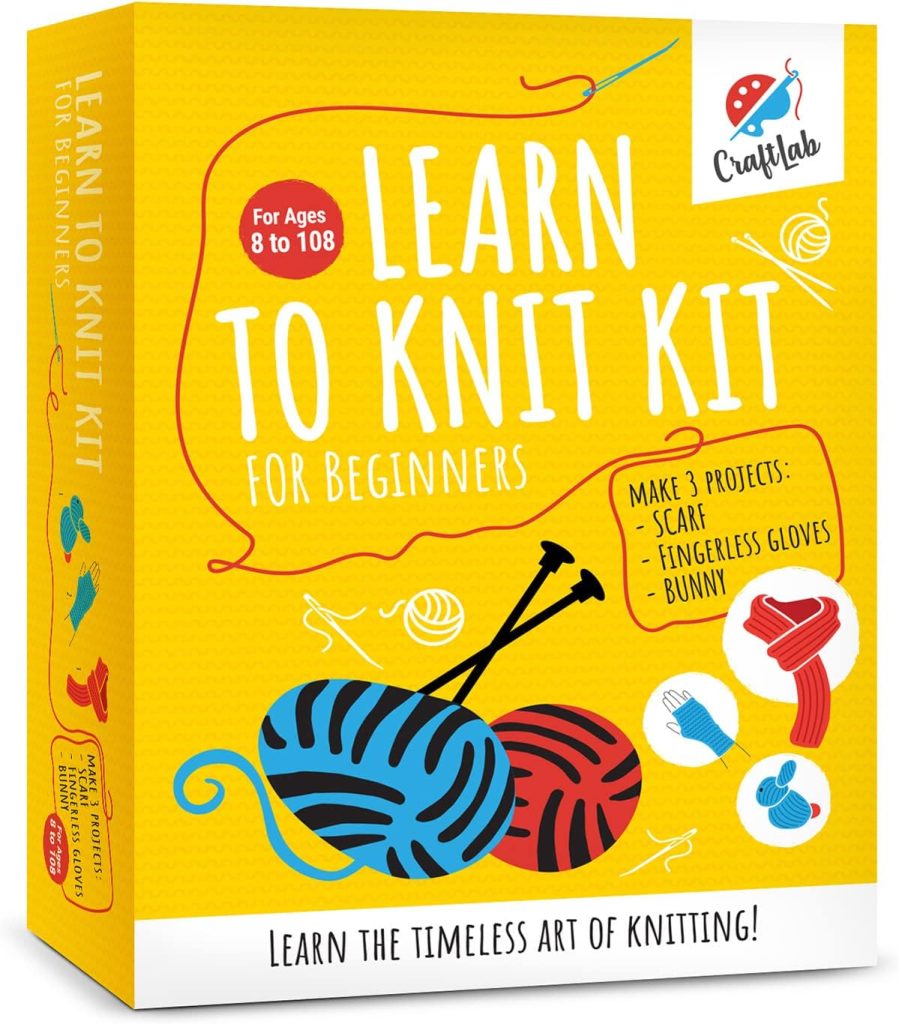
If you’ve been waiting for the “right time,” this is it. Below are two all-in-one yarn kits that remove every excuse, every delay, and every “I’ll do it later.”
Let’s get those hands moving.
Why Beginner Kits Are the Fastest Way to Start
Here’s the truth: most people quit before they begin because of friction.
What yarn do I buy?
What hook size do I need?
Where do I find instructions?
What if I mess it up?
Beginner kits solve all of that. Everything is pre-selected, beginner-approved, and designed for success.
No guesswork. No stress. Just open the box and start.
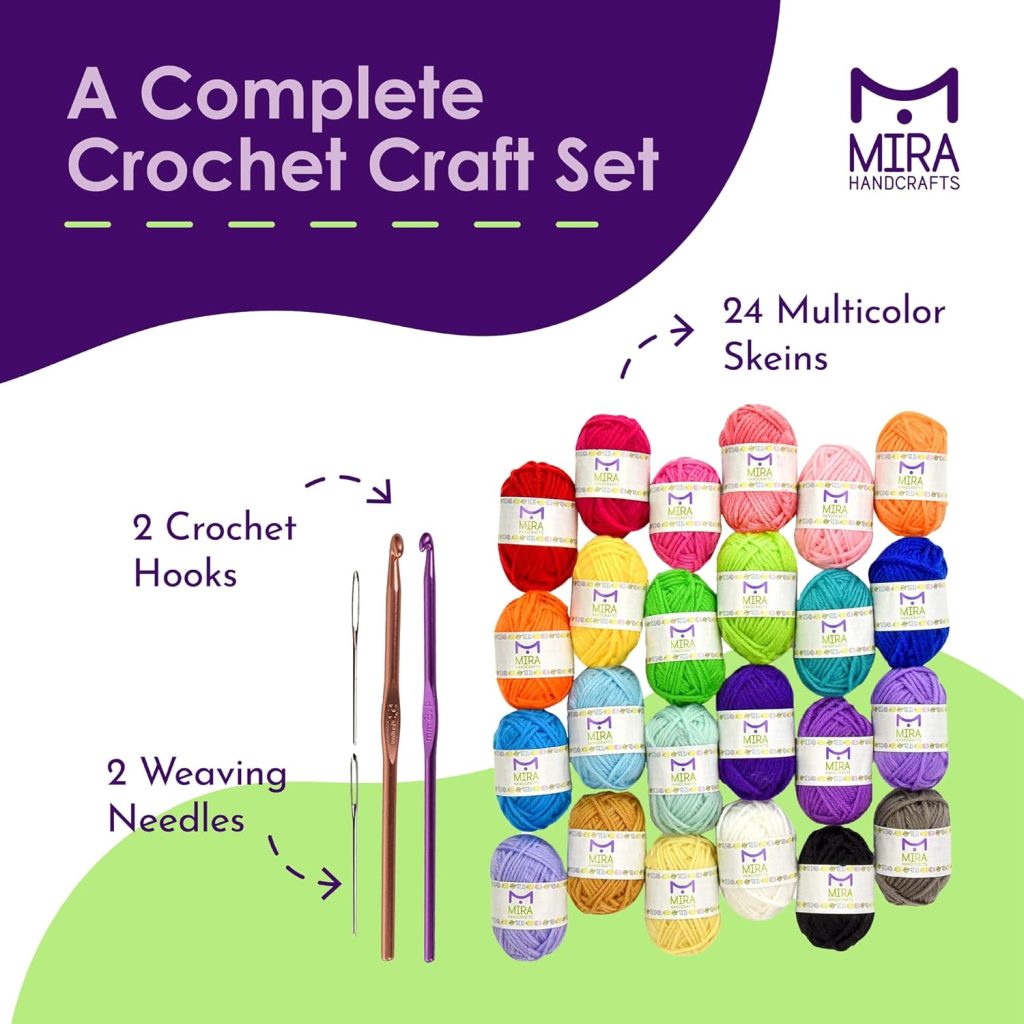
Mira Handcrafts Crochet Yarn Kit (Perfect for Absolute Beginners)
“I kept delaying learning crochet because I didn’t know what to buy. This kit removed all the stress. I finished my first project in a weekend!” — Anna L.
“As a total beginner, I loved that everything was included. No YouTube rabbit holes. Just knit, relax, repeat.” — Mark D.
“This was the push I needed. I finally started—and now I’m obsessed.” — Jen P.
Why You Should Start Now (Not Someday)
Hobbies don’t magically happen when life slows down. They happen when you decide to start anyway.
Crochet and knitting aren’t just crafts—they’re:
A way to unplug
A form of self-care
A creative outlet you can grow into (and even monetize later)
Every day you wait is another day you could have been stitching.
The kits are ready. Your hands are ready. All that’s missing is the click.
🟢 Start Today—One Click Is All It Takes
Choose your path and begin:
👉 Crochet Beginner? GET THE MIRA HANDCRAFTS CROCHET YARN KIT
When I joined Upwork, my primary goal was to explore freelance opportunities in digital marketing. As a knitter, I also took the opportunity to search for craft-related roles—without expecting much. I was pleasantly surprised to find several listings for test knitting jobs, a specialized yet growing area within the creative freelance space.
In December 2025, I applied for a project seeking a skilled knitter to test knit a dishcloth pattern. This opportunity became my first successfully accepted Upwork project, marking an important milestone in my professional crafting journey.
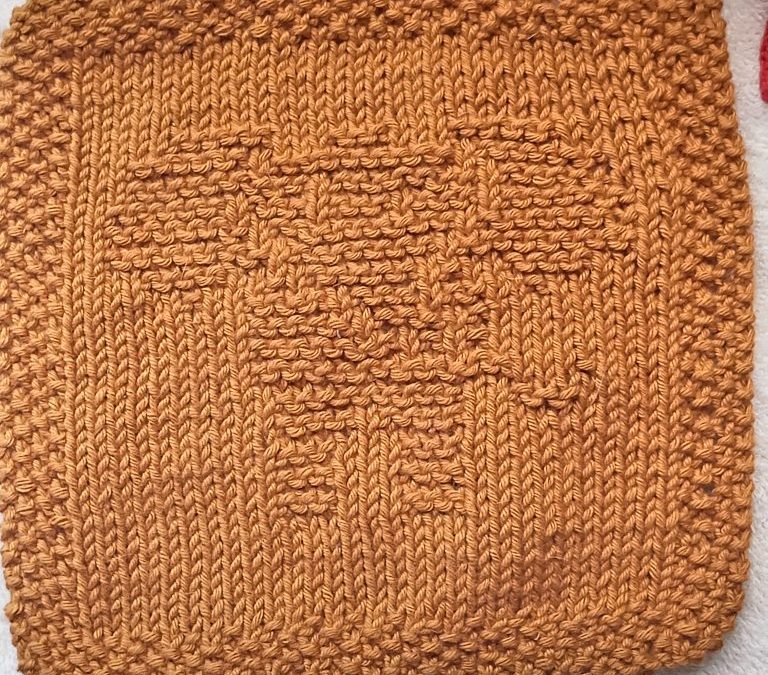
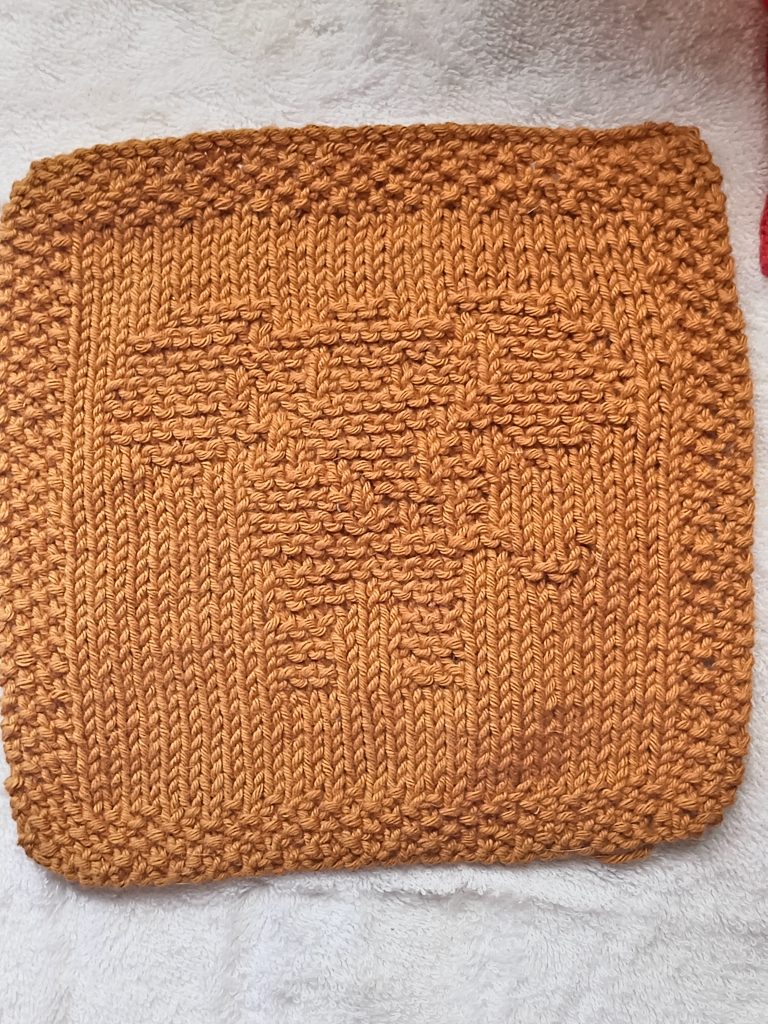
The task involved test knitting the Elephant Dishcloth Knitting Patternby Emily Jagos and creating polished photographs for the designer’s website. The pattern falls under the category of easy knitting patterns, designed to be beginner-friendly while maintaining visual appeal.
The designer provided clear technical requirements, including gauge, yarn type, and color guidance. Cotton yarn was specified, which is essential for functional items like dishcloths. While knitters may experiment with different yarns for personal projects, professional test knitting requires accuracy and consistency. Having cotton yarn available allowed me to follow the instructions precisely.
Test knitting extends beyond completing a project—it involves evaluating pattern clarity, stitch structure, and the overall knitting experience. Photography also played a key role in this project, highlighting the importance of presentation in pattern marketing.
Craft Trivia
Many designers use dishcloth patterns when hiring test knitters because these projects allow them to quickly assess pattern readability and functionality. This makes dishcloths a popular format for launching easy knitting patterns and evaluating feedback efficiently.
For knitters building their yarn collection, I often recommend the following trusted options:
Caron Cakes Yarn – Known for its smooth color transitions and versatility
I share curated yarn recommendations, beginner-friendly guides, and thoughtful insights into slow crafting. Experiences like this reinforce how traditional skills, such as knitting, can evolve into meaningful opportunities within today’s digital creative economy.